Busy professionals, desk workers, active adults, and athletes whose lower-back pain is interfering with work, sleep, lifting, golf, tennis, martial arts, or regular training.
Lower-Back Pain · Assessment & Rehabilitation
Move beyond the cycle
of relief and setback.
A measured approach to persistent or recurring lower-back pain that connects symptom behaviour, daily demands, hands-on care, and progressive strength.
Lower-back pain is not one problem
Begin with the pattern,
not a promise.
Lower-back pain can behave differently from person to person. A useful first step is to understand how symptoms respond to sitting, bending, lifting, walking, training, sleep, workload, stress, and previous attempts at care.
Depending on your presentation and goals, the plan may begin with Registered Massage Therapy, progressive exercise, or a combination. The aim is not to claim a single root cause. It is to identify a safe, practical route toward the activities and capacity you value.
The essentials,
up front.
Recurring lower-back discomfort, stiffness, reduced lifting tolerance, fear of movement, deconditioning, and uncertainty about how to return to meaningful load.
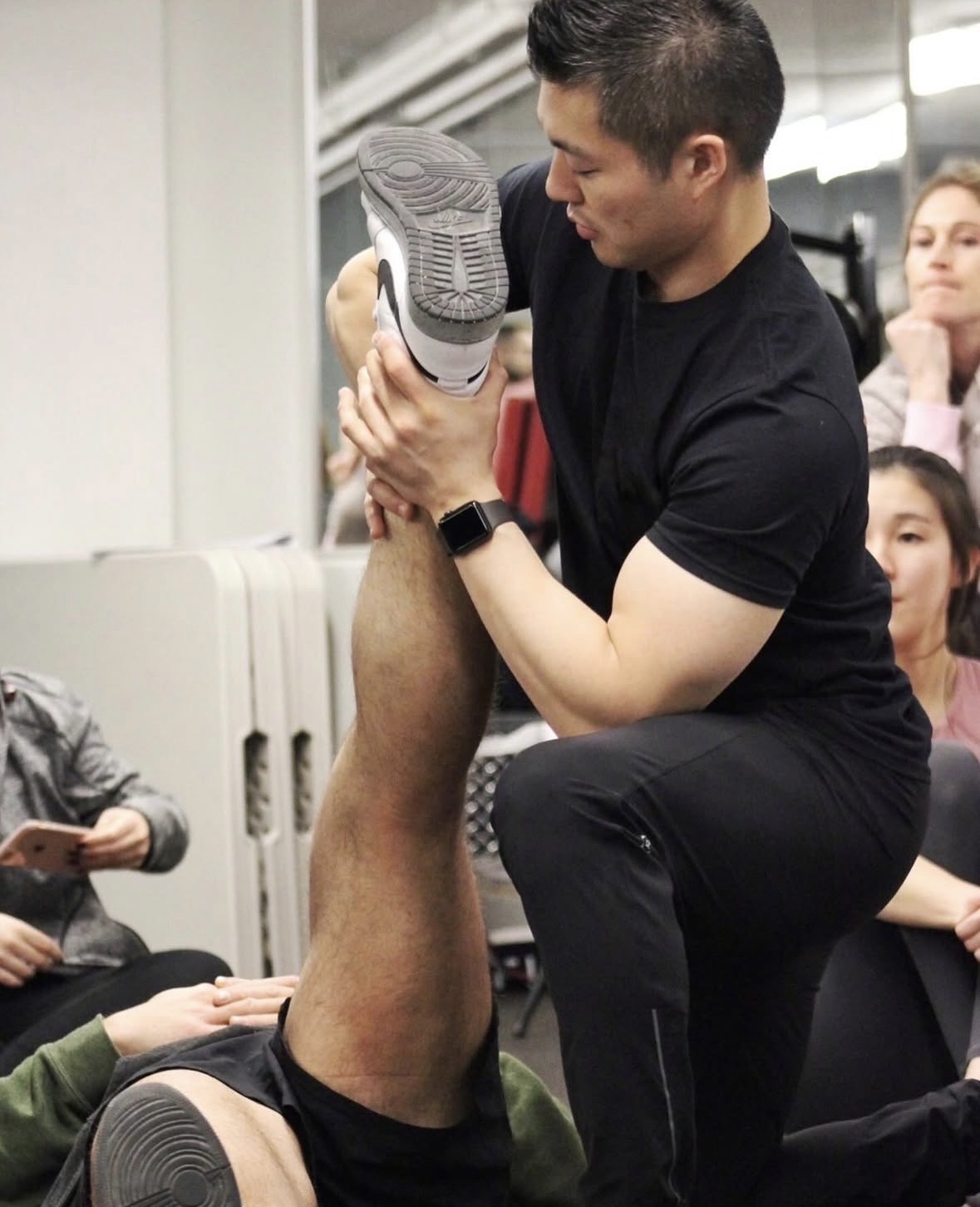
Steve combines RMT assessment and treatment with CSCS® programming experience. He uses careful language, measurable goals, and referral when symptoms require medical or neurological assessment.
A useful starting point
A structured plan may help when…
- Short-term relief has not translated into confidence with normal activity.
- You are unsure what to modify, what to continue, and what to progressively reload.
- Sitting, travel, lifting, or training repeatedly triggers the same cycle.
- You want treatment and exercise to support one plan instead of competing advice.
What happens next
Assess. Decide.
Progress.
Map the behaviour
Review onset, symptom pattern, irritability, daily demands, previous care, and the activities you want back.
Screen for the right pathway
Identify whether in-scope RMT care or exercise is appropriate, and whether medical assessment or referral should come first.
Choose the starting intervention
Use hands-on care, movement options, graded loading, or a combination based on your preferences and presentation.
Build tolerance that transfers
Progress toward the positions, loads, durations, and tasks that matter in your work, training, and life.
Clinical boundaries
Know the symptoms that need prompt medical care.
Seek urgent medical assessment for new bowel or bladder changes, saddle-area numbness, rapidly progressive weakness, significant trauma, fever or systemic illness with lower-back pain, chest or abdominal symptoms, or pain accompanied by other concerning changes. This page is educational and cannot determine the cause of your symptoms.
Frequently asked questions
Clear answers before
you request.
Do you diagnose the cause of lower-back pain?
No. Steve works within RMT and strength-and-conditioning scope. The assessment guides in-scope care and helps identify when medical, physiotherapy, or other evaluation is appropriate; it does not replace diagnosis.
Should I rest until the pain is completely gone?
Not necessarily. The appropriate amount and type of activity depend on your presentation and medical guidance where relevant. The goal is to find tolerable options and progress them responsibly, not force activity or avoid it indefinitely.
Will the first visit be treatment or exercise?
That depends on your goals, symptom behaviour, preferences, and the setting you book. Steve can help you choose RMT, an exercise assessment, or a coordinated plan after a brief initial conversation.
Can you work with imaging findings such as disc changes?
Imaging is considered in context with your clinical history, current symptoms, and guidance from the diagnosing professional. Steve does not interpret imaging as a medical diagnosis and refers when the presentation requires it.
A direct next step
Tell Steve what you want
to get back to.
You do not need to choose the perfect service first. Share your goal, what has been limiting you, and a few preferred times. Steve will help identify the most appropriate starting point.
Discuss your lower-back goalCare provided by Min Moo (Steve) Lee, CSCS® · RMT, in North York.