Desk workers, active adults, lifters, golfers, tennis players, and martial artists whose shoulder is limiting daily tasks, training, or sport.
Shoulder Pain · Treatment & Rehabilitation
Restore options.
Rebuild shoulder capacity.
Assessment-led care for shoulder pain, stiffness, weakness, and reduced confidence with reaching, pressing, pulling, throwing, or overhead activity.
The shoulder serves the task
Treat the presentation.
Train the demand.
The shoulder has to meet different demands for a desk worker, swimmer, lifter, golfer, tennis player, or martial artist. A useful plan considers the symptom pattern alongside range, strength, coordination, training exposure, and the positions you need to tolerate.
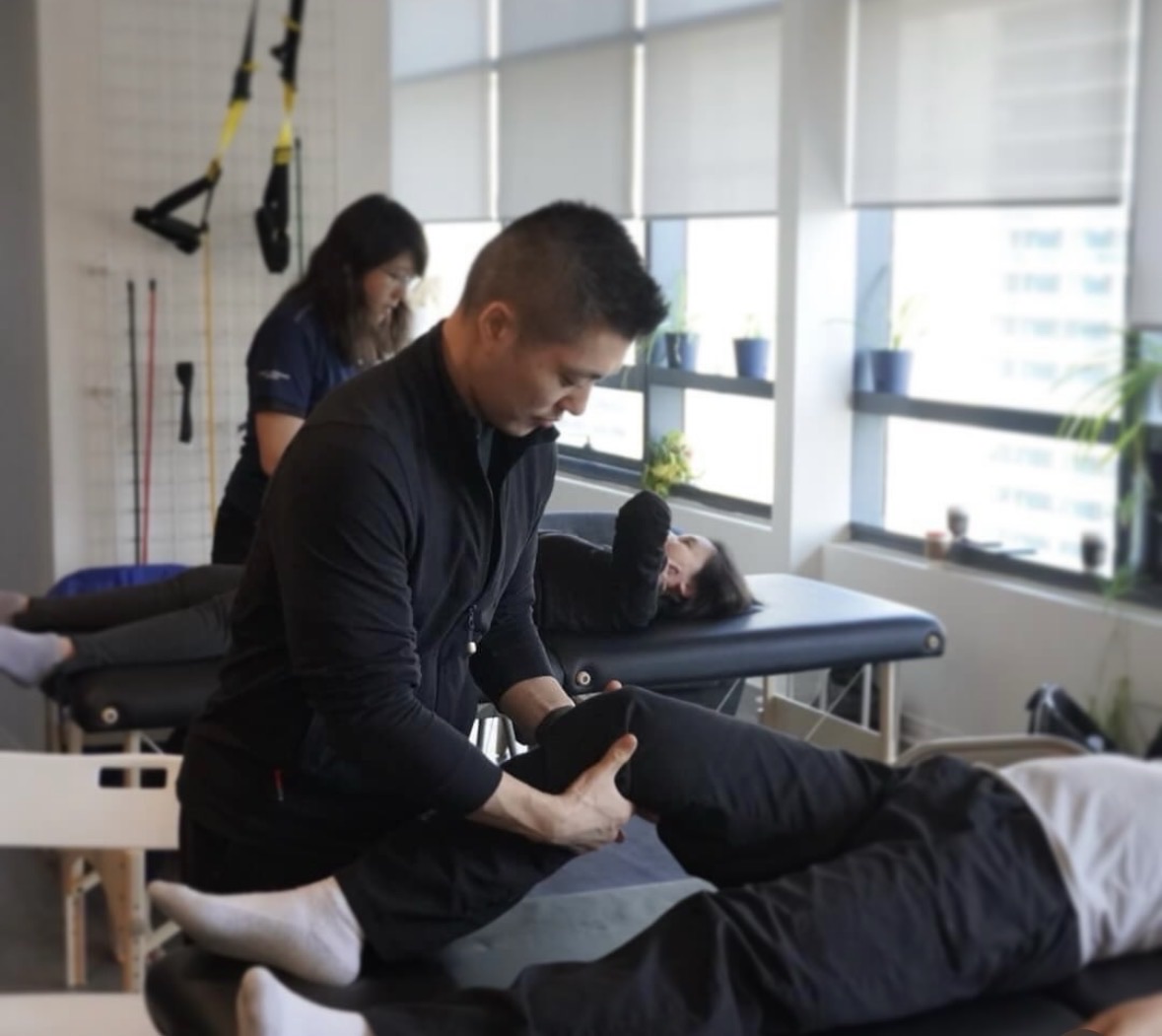
Steve may use Registered Massage Therapy to address in-scope discomfort and movement restriction, progressive exercise to rebuild capacity, or both. The plan is adjusted to your response and does not rely on a single posture, muscle, or structural explanation.
The essentials,
up front.
Painful or limited reaching, reduced overhead confidence, pressing or pulling intolerance, recurring training irritation, and the transition from treatment back to load.
Steve combines RMT care with CSCS® strength programming and high-performance coaching experience. The plan is specific to the task and stays within clear clinical boundaries.
A useful starting point
A shoulder plan may be useful when…
- Daily reaching or desk work repeatedly aggravates the area.
- You can move the arm but do not trust it under meaningful load.
- Pressing, pulling, serving, swinging, or striking remains limited after rest.
- You want a coordinated route from hands-on treatment to progressive training.
What happens next
Assess. Decide.
Progress.
Clarify the limiting task
Identify the exact reaching, lifting, work, training, or sport demand you want to improve.
Assess relevant capacity
Review symptom behaviour, range, strength, tolerance, training exposure, and whether referral is indicated.
Select the first lever
Use hands-on care, exercise, load modification, or a combination based on the presentation and your preferences.
Progress toward the demand
Build range, force, endurance, speed, or overhead tolerance in stages that connect to your goal.
Clinical boundaries
Some shoulder symptoms need medical assessment first.
Significant trauma, visible deformity, sudden loss of strength, progressive neurological symptoms, chest pain, shortness of breath, fever or systemic illness, or other urgent concerns require appropriate medical evaluation. Steve refers when the presentation is outside RMT or training scope.
Frequently asked questions
Clear answers before
you request.
Do I need imaging before starting?
Not everyone does. The need for imaging is a medical decision based on the history and presentation. If the shoulder requires diagnosis, imaging, or another professional assessment, Steve will recommend referral rather than guessing.
Shoulder pain or neck pain: which page applies?
Symptoms can overlap. An initial history and in-scope assessment help determine whether RMT or exercise is appropriate and whether medical or neurological assessment should come first.
Can I keep training while the shoulder is sore?
Sometimes training can be modified rather than stopped, but the answer depends on irritability, function, the movements involved, and relevant medical guidance. The plan should define what is tolerable and how it will progress.
Is massage enough to restore shoulder strength?
Hands-on care may support comfort or movement for some presentations, but strength and task tolerance generally require progressive exposure. When appropriate, treatment and exercise are coordinated rather than treated as competing options.
A direct next step
Tell Steve what you want
to get back to.
You do not need to choose the perfect service first. Share your goal, what has been limiting you, and a few preferred times. Steve will help identify the most appropriate starting point.
Discuss your shoulder goalCare provided by Min Moo (Steve) Lee, CSCS® · RMT, in North York.